
Trump Faces Growing Pressure as Iran Ceasefire Talks Stall

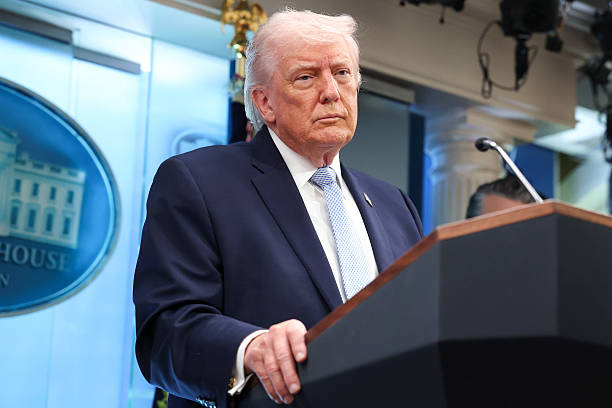
Efforts to revive negotiations between the United States and Iran appear to have stalled, with both sides hardening their positions amid fears that hostilities could resume in the Middle East, according to an analysis published by Al Jazeera.
US President Donald Trump has described the fragile ceasefire with Iran, which has been in place since 8 April, as being on “life support”.
Members of his administration have also hinted at the possibility of renewed military action.
Analysts cited by Al Jazeera said the White House now faces a difficult choice between escalating the conflict and making concessions to Tehran in order to secure a broader agreement.
Iran is reportedly demanding an end to hostilities across the region, including in Lebanon, before substantive negotiations on its nuclear programme and regional influence can proceed.
Tehran has also rejected calls to dismantle its nuclear programme and is seeking the lifting of sanctions as well as recognition of its strategic influence over the Strait of Hormuz, a critical global oil shipping route.
Allison Minor, a former US State Department and National Security Council official now with the Atlantic Council’s Project for Middle East Integration, said the White House faced “a set of bad options”.
Trump recently suggested that further military action may be necessary, while Israeli Prime Minister Benjamin Netanyahu said Iran’s military capabilities had not been fully dismantled.
According to analysts, renewed conflict could create political difficulties for Trump ahead of the United States midterm elections in November, particularly as rising fuel and energy prices continue to affect American households.
A Reuters/Ipsos poll published on Tuesday found that two-thirds of Americans surveyed did not believe the administration had clearly explained the reasons for the conflict with Iran.
The survey also found that Trump’s approval rating had fallen to 36 per cent, compared with 47 per cent before the conflict intensified last year.
Ian Lesser of the German Marshall Fund warned that prolonged military engagement could weaken US preparedness for other potential security challenges, including tensions involving China in the Indo-Pacific region.
Meanwhile, Dennis Citrinowicz of Israel’s Institute for National Security Studies said Iran’s leadership appeared increasingly confident and unwilling to yield to American pressure despite economic difficulties and damage to parts of its military infrastructure.
“The Iranian response leaves Trump with very few viable options,” Citrinowicz said, warning that further escalation could trigger a wider regional conflict without significantly altering Tehran’s position.
